Where the Journey Began
Every city has a few food places that feel older than their signboards. You hear their names before you visit them. Someone mentions them casually, usually while talking about mornings, hunger, or long walks taken just to eat something familiar. These are the beginnings of iconic Delhi food brands. Not launch stories or milestones, but habits formed over time.
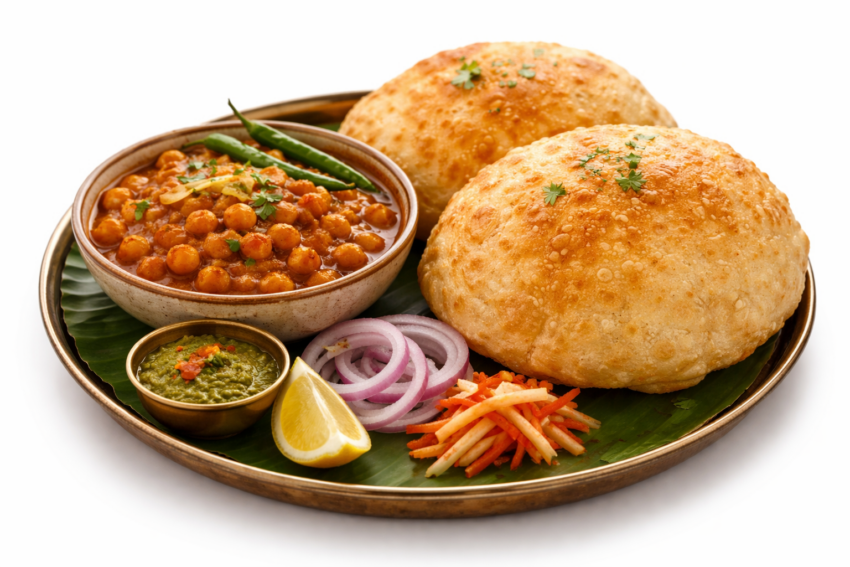
In the 1950s, Delhi was still finding its footing after Partition. Paharganj was crowded, practical, and constantly in motion. It was here that Sita Ram Kohli began selling chole bhature from a pushcart near DAV School. There was no plan to build a legacy. There was only the need to serve food that people would return to the next day.
That return is where the journey truly began. One customer became two. Two became a queue. Over time, the cart turned into a shop, and the shop became a fixed point in a changing neighbourhood. Delhi food legacy stories often start this way, quietly, without the intention of becoming stories at all.
The Importance of Staying True to Original Taste
What separates food heritage in India from food trends is memory. Taste is not judged in isolation. It is measured against what people remember eating years ago. This is why staying true to the original taste matters more than innovation for places built on routine.
Chole bhature is a simple dish on paper, but it carries expectation. People remember how it should feel, how heavy it should not be, how the spice should settle rather than hit all at once. Changing that balance risks breaking trust.
Many places grow by adjusting flavours to suit newer audiences. Others grow by refusing to do so. The latter path is harder, but it is what allows a place to become part of a city’s collective memory. Consistency becomes its own language. Regulars do not need to ask questions. They know what will arrive at the table, and that certainty is what keeps them coming back.
How Sita Ram Diwan Chand Became Part of Delhi’s Food Memory
Sita Ram Diwan Chand did not become part of Delhi’s food memory by claiming space. It earned it through repetition. Since the early days in Paharganj, the focus has remained on doing one thing well. Chole bhature was not expanded into variations or dressed up to follow trends. It was refined quietly, through daily cooking and constant feedback from people who ate there often.
As Delhi expanded, so did the reach of the name, first within Paharganj, then beyond. A second location in Pitampura opened decades later, but the food remained recognisable. This mattered to those who had grown up eating there and now brought their families along.
For many, eating here became part of personal timelines. College mornings, early workdays, post-travel cravings. These moments attach themselves to taste. Over time, the food stops being just food. It becomes a reference. This is how the best chole bhature in Delhi is often discussed, not through rankings, but through memory.
Carrying the Legacy Forward
Legacy in food is not carried forward through nostalgia alone. It requires restraint. It means knowing what not to change. As lifestyles shifted and people began eating differently, the challenge was not to modernise the dish, but to make it accessible without altering its core.
This is where thoughtful extensions matter. For those who cannot visit regularly, ready-to-eat options allow the taste to travel without losing its character. These offerings exist quietly, serving people who miss a familiar meal rather than trying to replace the in-store experience.
Carrying a legacy forward also means accepting responsibility. Every plate served becomes a continuation of a promise made decades ago. The food must taste the way people expect it to. Anything less feels noticeable. This awareness is what keeps iconic Delhi food brands grounded even as they grow.
Wrapping Up
Food heritage in India survives through trust built over time. It lives in places that resist reinvention and instead choose consistency. Sita Ram Diwan Chand’s story fits into this larger pattern, not as an exception, but as an example of how food becomes memory through routine.
In a city constantly changing, there is comfort in knowing that some tastes remain the same. That familiarity is what turns a local eatery into part of Delhi’s identity. The journey began with a pushcart, but it continues every morning someone chooses the same plate, expecting it to taste exactly the way it always has.